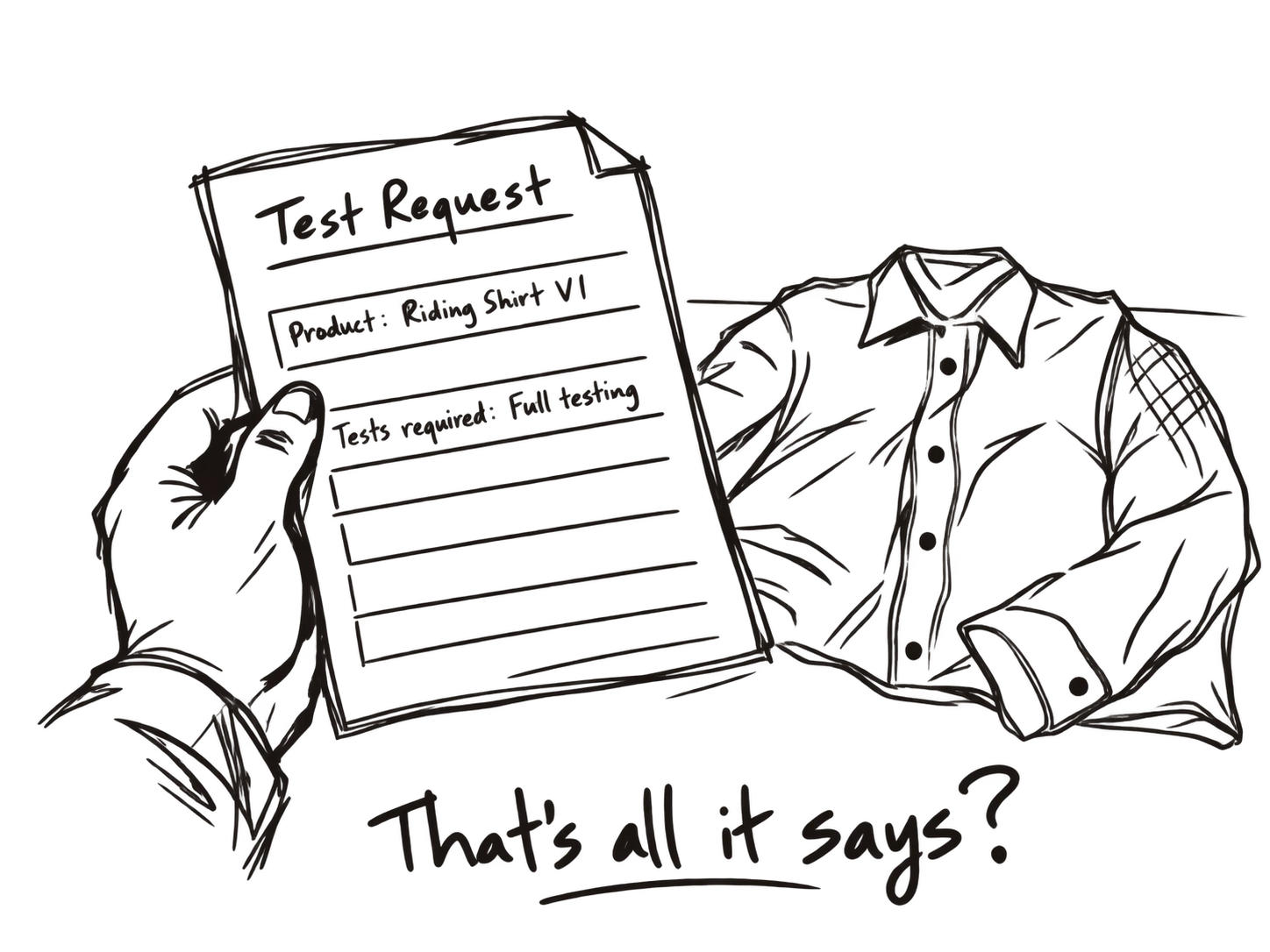
I believe a new starter had been brought in to run compliance for a brand with a big range. The person before them had been told by the factory that the products were on the market, tested and certified. No certificates existed in the brand’s own name, and nobody had asked for proof.
What the factory had done was bits and pieces of testing, perhaps from ranges it made for other customers. It had used the odd test report to claim certification for a whole product, or a whole range.
Factories want the large orders, so the answer to whether a product is tested tends to be one of three. “We’ve done the testing.” “The testing is in progress.” Or “We know it passes”, which was the one I heard most. Factories tend to develop a product, market it themselves before it is certified, and then rebrand it for their client. I think that is what happened here. The brand assumed it was certified. There was no independent verification that the products it sold were safe.
The range was big, so the test plan and its cost had to be worked out all at once. Normally that gets spread over two or three seasons. This brand could not do that, because it could not risk carrying on selling products that were not safe. The brand had stock, a production schedule that was sorted, and sales already made. For about 20 products, I would put certifying and testing at somewhere between £20,000 and £30,000.
Bringing it all forward and rushing it costs money, and it risks leaving no time to cross-reference what exists, so you can end up repeating tests you did not need. Then there is Trading Standards. In my experience, once they are involved they want updates showing the products are in testing and certification, with the certification body’s verification behind it. Not every certification body will write the email or letter that says “this is in progress”. If Trading Standards have not picked it up yet, that is a reason to move fast.
Mapping 20 products properly and costing them takes a technical person a good couple of days. This brand had a couple of days to get the whole lot into testing, and the test house is not really there to cross-reference it for you.
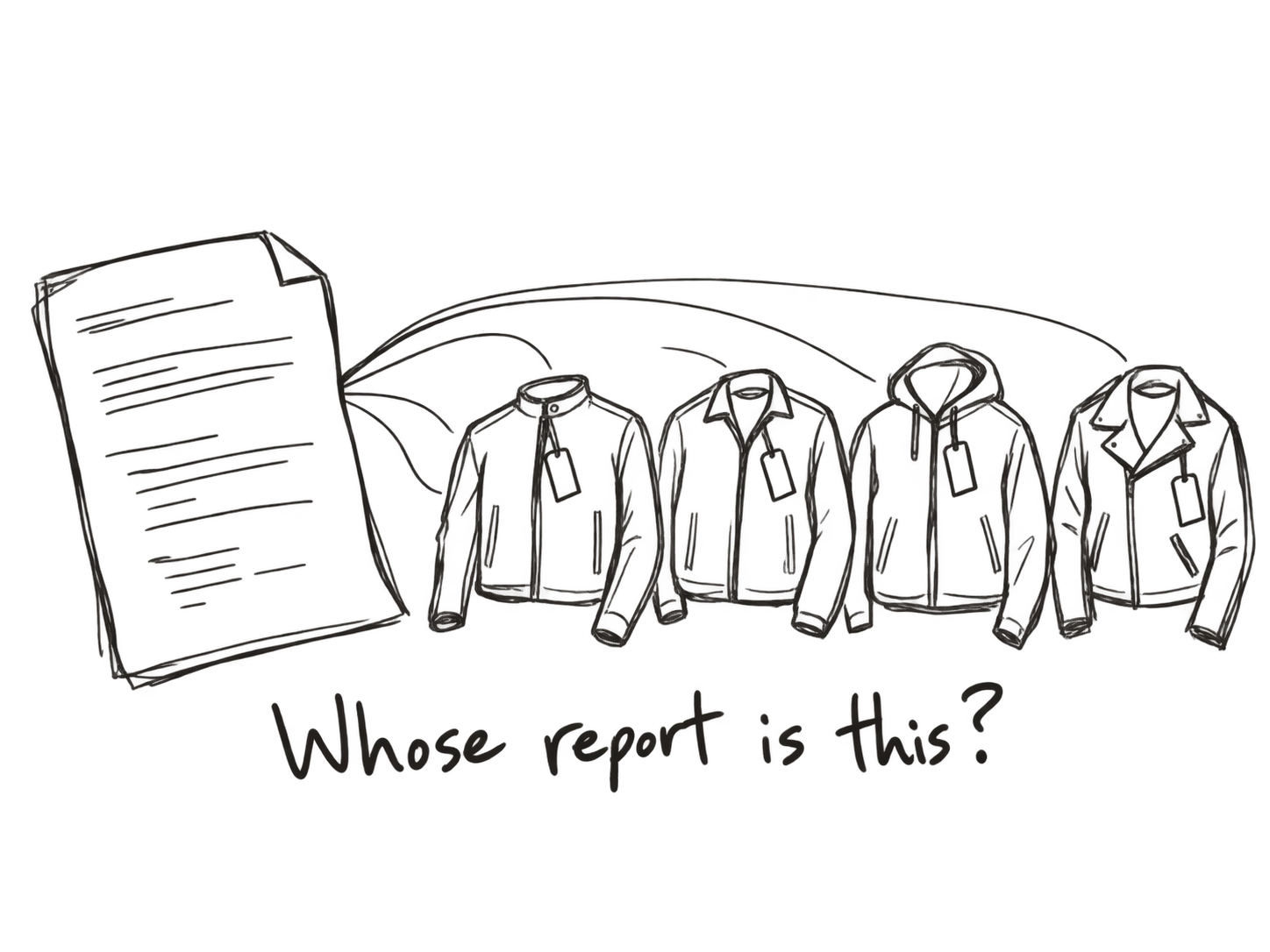
If you are the one coming into that seat, I would not accept selling any product that needs a certificate until you have seen the traceability information on it, and checked that it covers that product under your name. A factory can be as good as you like on quality and that still does not let it bypass having a certificate. This brand sold the range under its own name, so the responsibility sat with the brand and not the factory.
It is also a good example of someone being put in the seat without the right training. A company that hands someone that role is responsible for giving them the competence to succeed, and to protect the business name.
Keep a clear library of all your documentation, with a log of expiry dates. Better still, record which materials can be reused so you are not duplicating testing. Whether a certification body accepts a reused report is its call, so ask before you rely on one. If you have inherited a range like this, I review ranges on hourly time.